
Home / Training Ground / Winter cricket nets
Cricket Performance
Winter cricket nets: how to make the off-season count
The season is over, the kit is in the loft and April feels a long way off. Here is why winter is where good players quietly get ahead, and how to use winter nets properly.
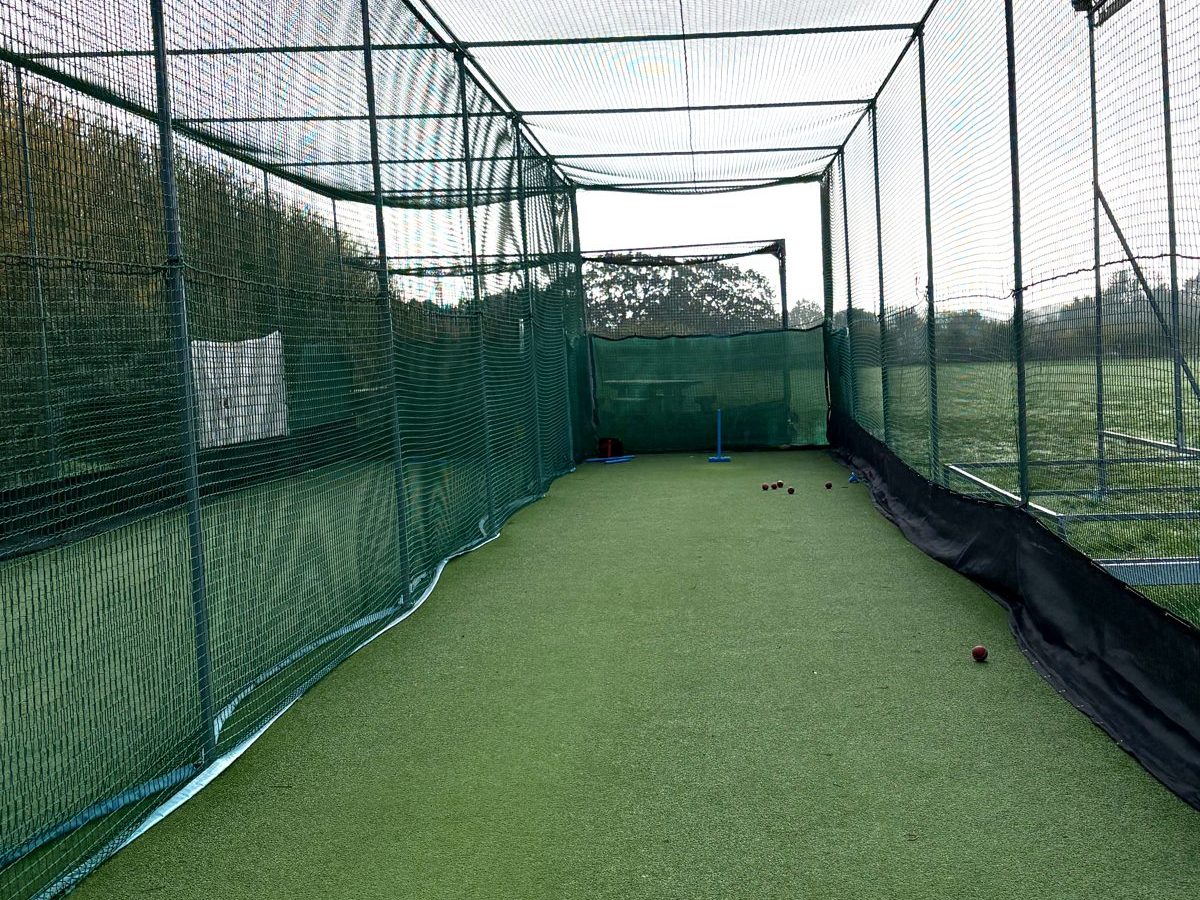
Most club cricketers finish in September, put the bag in the garage and pick it back up the week before the first game. Then they spend May wondering why the first few innings felt so scratchy.
Winter is the one time of year you can work on your game with nothing riding on it. No scorebook, no selection, nobody waiting for you to get out so they can have a bat. That makes it the best time to actually change something. Here is how to use it.
Why winter nets are worth your time
- You can fix things properly. In season there is always another game on Saturday, so you patch your technique instead of rebuilding it. Over winter you have months, which is roughly what a real change takes.
- Mistakes cost you nothing. Getting out in the nets does not go in the book. That freedom is exactly what you need to try a new trigger movement or tweak a bowling action.
- You stay sharp. Timing and hand-eye coordination fade faster than people expect. A session every week or two keeps the basics ticking over, so April is not a restart.
- Juniors keep their momentum. A young player who has had a good summer can lose a surprising amount of confidence over six months without a bat in their hands. Regular winter sessions keep them moving forward.
Outdoor nets in winter: what to expect
Our winter nets run outdoors at the Lucy Pygott Centre in Hartley Wintney. That suits us. You practise on a proper net surface in real conditions, so there is no adjusting from a sports hall floor when the season starts. It does mean a few things change from summer:
- Warm up for longer. Cold muscles and fast bowling do not mix. We spend more of the session getting properly warm before anyone bowls flat out or plays an attacking shot.
- Layer up. A thermal base layer, a jumper you can take off and gloves for between drills. Batting inners help on cold hands.
- The weather gets a say. If rain or ice makes the nets unsafe, we call the session off and reschedule it. You never lose a session to the weather.
The flip side is that winter nets reward the same things good summer nets do: a clear focus, plenty of repetition and someone watching who can tell you what is actually happening.
A simple winter plan, month by month
You do not need a complicated programme. You need two or three things to work on and a rough order to do them in.
- October to November: review and rebuild. Look back honestly at last season. How did you get out? Where did your runs or wickets come from? Pick one or two things to fix and work on them slowly. Changes are easiest now, because you are not trying to perform yet.
- December to January: reps and rhythm. Once the new movement stops feeling awkward, build the volume. More balls, more repetitions, gradually a bit more pace. The goal is for the change to become automatic, not something you have to think about.
- February to March: pressure and game situations. Now test it. Set targets and play scenarios (ten needed off the last over, six balls at off stump) so the new technique holds up when it matters.
If you bowl, build your workload up gradually through the winter rather than going from nothing to long spells in March. Sudden jumps in overs are a common route to injury, especially for young quicks. Our guide to protecting young fast bowlers goes into how we manage it.
Do not forget the strength work
Winter is pre-season for your body too. Sprinting between the wickets, bowling spell after spell and diving around in the field all ask a lot of your legs, hips and shoulders. A couple of strength sessions a week through the winter will leave you more durable and a bit more powerful by April.
Our best exercises for cricketers shortlist is a good place to start, and our pre-season training guide covers the final run-in. If you would rather have skill and strength planned together, that is exactly what Combined Performance is built for.
The runs you score in May get made in January.
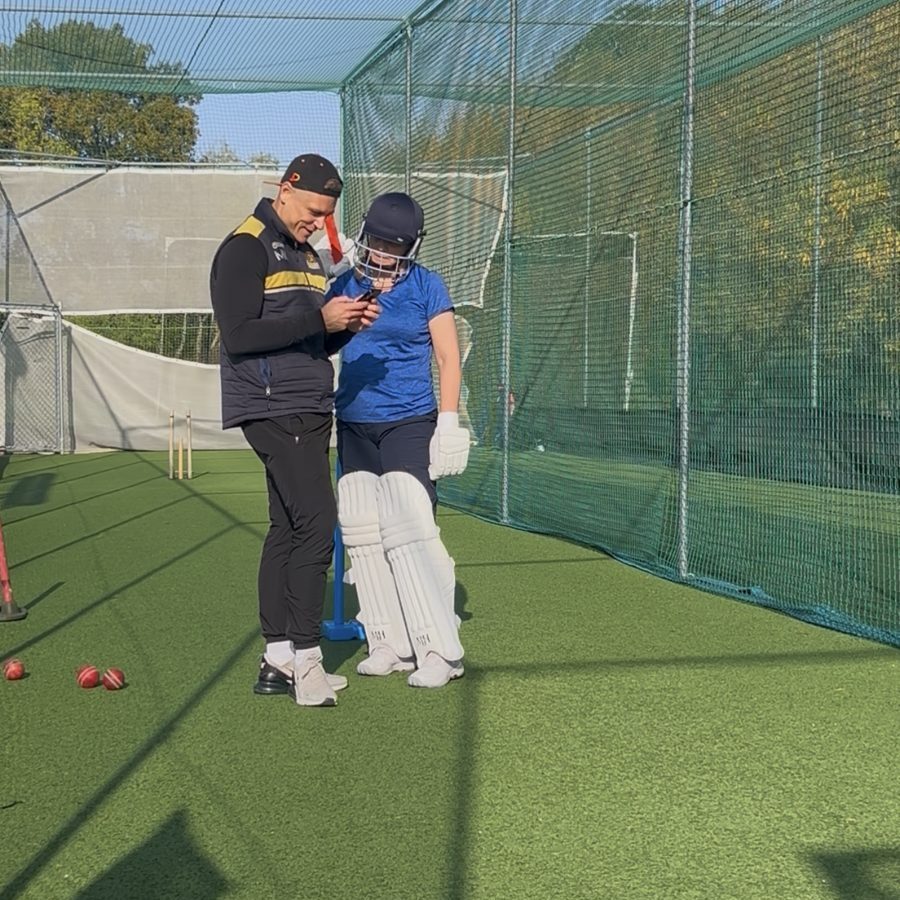
What a winter session with us looks like
Winter coaching runs at the Lucy Pygott Centre nets (St Mary's Park, Vaughan Close, Hartley Wintney, RG27 8EB). Every session is built around what you are working on, not a generic drill list: a proper warm-up, focused work on one or two areas, then enough repetition that it starts to stick. You leave knowing what you worked on and what comes next.
The formats are the same as in the summer:
- 1-to-1 coaching is the fastest way to make a real technical change, because every ball is about you.
- Partner coaching suits teammates or siblings working on similar things.
- Group cricket blends drills with fitness in a squad setting, and is a great way for juniors to keep ticking over.
Winter 1-to-1 sessions are £20 each from October to February, well below our season prices. Get in touch for available slots. If you want a regular weekly slot through the winter, it is worth asking early.
Winter nets questions
When should I start winter nets?
October or November is ideal. It gives you a few months to rebuild technique slowly before adding pace and pressure in the new year. Starting later still helps, you just have less time to make a change stick before April.
What should I wear and bring to winter nets?
Your usual batting kit if you have it (bat, pads, gloves, helmet and box), plus warm layers you can strip off as you warm up. Flat or rubber-soled trainers are best on artificial net surfaces. If you are new and do not have kit yet, tell us before your first session and we will talk you through it.
What happens if the weather is bad?
If rain or ice makes the nets unsafe, we call the session off and reschedule it. You never lose a session you have paid for to the weather.
Are winter nets suitable for juniors and beginners?
Yes. We coach juniors and adults of every ability through the winter. For young players especially, regular winter sessions stop a good summer being undone by six months off.
Related reading
More from the Training Ground.
Cricket batting drills for beginners
Stance, grip and three drills that build a proper foundation at the crease, no bowling machine required.
Read moreHow to bowl faster: a simple guide to building pace
What actually makes fast bowlers fast, and the technique fixes that give you free pace.
Read more